

The Problem with “One-Size-Fits-All” Facility Supply Programs
A lot of supply programs are built around convenience for the vendor, not the customer. You get one plan, one schedule, one set of products, and you’re expected to make it work regardless of how your facility actually operates.
For some businesses, that’s fine. For most, it means paying for things they don’t need, running short on things they do, and never quite getting consistent results.
The facilities we work with across Louisiana have figured out that generic doesn’t cut it. A food service operation has different demands than a manufacturing floor or a medical office. The supplies, the schedule, and the service should reflect that, not paper over it.
1. Different Environments Require Different Solutions
A restaurant kitchen, a medical office, and a retail store all use supplies differently. Traffic levels, floor conditions, and cleaning needs vary throughout the day. A one-size plan ignores these differences.
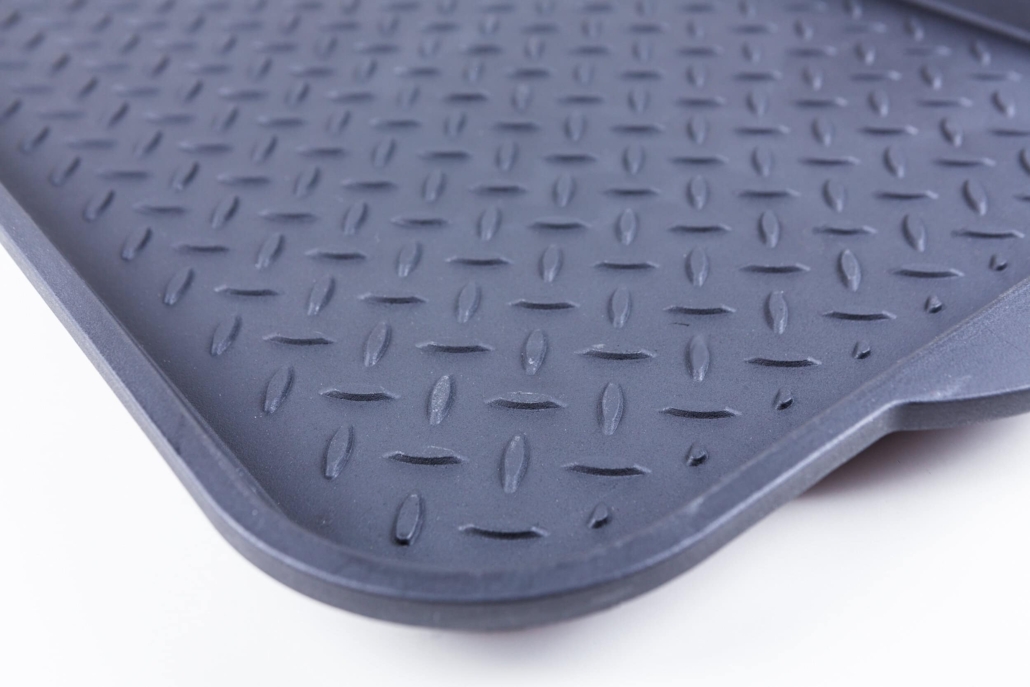
For example, a high-volume kitchen may need frequent towel rotation and grease-resistant mats, while an office space may require more focus on dust control and restroom supply management. When both are placed on the same service schedule, one receives too much service while the other does not receive enough.
A tailored program ensures that each area gets the attention it needs based on real usage.
2. Generic Programs Lead to Supply Imbalance
Standardized supply plans often result in either overstocking or shortages. Too many products sit unused in storage, while other essentials run out at the wrong time.
This imbalance creates unnecessary spending and disrupts daily operations. Staff may stop what they are doing to search for supplies or make quick adjustments to compensate for missing items.
A more structured approach aligns delivery frequency and product volume with actual demand. This reduces waste and keeps supplies available where and when they are needed.
3. Inconsistent Cleaning Results Across the Facility
When supplies are not matched to specific tasks, cleaning outcomes vary from one area to another. Floors may look different depending on the products used, and restrooms may require extra attention due to uneven supply distribution.
Chemical management is a key factor here. Without controlled dispensing systems, staff may mix cleaning solutions inconsistently. This leads to surfaces that are either under-cleaned or exposed to unnecessary chemical use.
OSHA guidance on cleaning chemicals specifically cautions against using cleaners at full strength when dilution is required, and notes that improper mixing of cleaning products can pose direct health and safety risks to workers.
At A-1 Service, we provide chemical management systems that dispense pre-mixed solutions. This ensures consistent application across the facility and reduces variability in cleaning performance.
4. Disconnected Products Create Workflow Issues
Facilities often treat mats, mops, towels, and chemicals as separate items rather than parts of a system. When these products are not coordinated, they work against each other.
For instance, a floor mat may capture moisture effectively, but if mop systems and cleaning solutions are not aligned, that moisture spreads beyond the mat area. Similarly, if towel supply does not match demand, staff may use alternative materials that reduce efficiency.
An integrated supply program connects these elements. Mats control entry conditions, mops manage floor maintenance, towels support cleaning tasks, and chemical systems ensure proper application. When these components work together, the facility operates more smoothly.
5. Fixed Service Schedules Do Not Reflect Real Usage
Many one-size programs rely on fixed delivery schedules that do not change with business activity. However, demand often fluctuates throughout the week or month.
Busy periods increase the need for clean towels, fresh mats, and restroom supplies. Slower periods require less frequent service. A rigid schedule does not adapt to these changes, which leads to either buildup or unnecessary deliveries.
A responsive supply program adjusts based on how the facility is actually used. This flexibility helps maintain consistency without creating excess.
6. Lack of Oversight Leads to Gradual Decline
When supply programs operate without regular evaluation, small issues begin to accumulate. Mats may wear down, mops may lose effectiveness, and supply levels may drift away from actual needs.
These changes happen slowly, which makes them easy to overlook. Over time, they affect cleanliness, safety, and efficiency.
A managed program includes ongoing review. At A-1 Service, we monitor product performance and make adjustments as needed. This keeps the system aligned with the facility’s current conditions.
7. A Coordinated System Supports Better Results
Facilities perform best when supply programs are built around how they operate. Customization does not add complexity. It removes it by aligning products, service schedules, and usage patterns.
With the right system in place:
- Mats stay effective in high-traffic areas
- Mops and towels support consistent cleaning
- Chemical systems reduce waste and improve results
- Supplies arrive in the right quantity at the right time
This approach creates a more controlled environment and reduces the need for constant adjustments.
Build a Supply Program That Fits Your Facility
A one-size-fits-all approach may seem convenient, but it often leads to inefficiencies that affect daily operations. Facilities need supply programs that reflect how they actually function.
At A-1 Service, we provide facility supply services that bring mats, mops, towels, and chemical systems together into a coordinated program. Our team works with businesses across Louisiana to create solutions that match their needs and maintain consistency over time.
If your current setup feels out of sync, it may be time to take a closer look. Contact A-1 Service to build a facility supply program designed for your operation.
 info@A1ServiceInc.com
 (800) 899-DUST
