

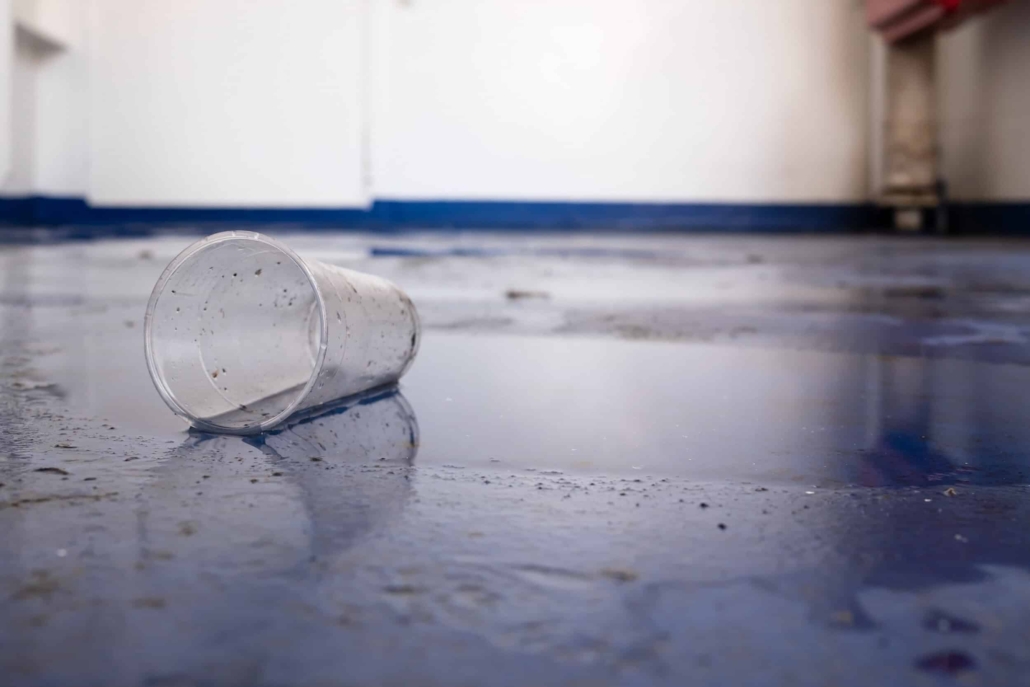
Understanding Floor Contamination: What Gets Tracked Inside Every Day
Most people don’t think about what’s on the bottom of their shoes. But in a commercial facility, every person who walks through the door is bringing something in with them, whether it’s moisture from the parking lot, grit from the sidewalk, or residue from somewhere else entirely.
It adds up faster than most businesses realize. And once it’s past the entrance, it’s already spread.
At A-1 Service, we’ve seen firsthand what this looks like in facilities across Louisiana. The buildings that manage it best aren’t just cleaning more often, they’re stopping contamination before it has a chance to travel.
What Actually Comes Through the Door
Every person entering a building carries more than just visible dirt. Shoes collect materials from sidewalks, parking lots, kitchens, and work zones. These materials vary depending on the environment, but they all affect indoor floor conditions.
Common types of contamination include:
- Fine dust and grit from pavement and construction areas
- Moisture from rain, humidity, and wet surfaces
- Oils and residues from streets or parking areas
- Food particles and debris in food service environments
- Cleaning chemical residue from previously treated surfaces
Many of these materials are not immediately visible. Fine particles settle into flooring surfaces, while moisture spreads thinly across large areas. According to the EPA’s research on indoor air quality and tracked-in contaminants, a significant portion of indoor pollutants originate from outside sources brought in on shoes and clothing.
Over time, this combination creates a layer that affects traction and cleanliness. The National Floor Safety Institute notes that walking surfaces contribute to 55% of all slips, trips, and falls mysafetysign, making contamination control at entry points one of the most practical steps a facility can take.
How Contamination Moves Beyond the Entrance
Contamination does not stay where it first enters. Foot traffic acts as a distribution system. Each step transfers material from one surface to another, gradually spreading it throughout the facility.
How this transfer happens
- Shoes deposit moisture and debris at the entrance
- Foot traffic carries it into hallways and common areas
- Repeated movement pushes particles deeper into the building
- Equipment and carts spread contaminants across larger surfaces
This process happens continuously throughout the day. Even if a floor looks clean in one area, contamination may already be present at a level that affects safety and maintenance.
Without a way to stop or capture these materials early, they become harder to manage as they spread.
Why Moisture Is the Most Overlooked Risk
Moisture creates one of the most immediate challenges for facility floors. Unlike solid debris, it spreads quickly and changes the behavior of the surface.
A small amount of water at the entrance can travel far beyond the door. As people walk across it, the moisture thins out and becomes less visible. This creates a situation where floors appear dry but offer reduced traction.
Humidity in Louisiana adds another layer to this issue. Moisture does not always come from rain. It can come from air conditions, temperature changes, or interior processes. This makes it harder to control without a consistent system in place.
Commercial entrance mats help capture this moisture early, preventing it from moving deeper into the building.
How Floor Surfaces Respond to Contamination
Different flooring materials react differently when exposed to dirt, moisture, and residue. Over time, contamination affects both performance and appearance.
- Smooth surfaces become slick when coated with fine particles or oils
- Grout lines trap debris and discolor more quickly
- Finished floors lose their protective layer faster under constant exposure
- High-traffic areas develop uneven wear patterns
These changes increase maintenance demands. Cleaning takes longer, and surfaces require more frequent attention to maintain the same level of performance.
By controlling contamination at the entrance, facilities reduce the stress placed on these surfaces.
The Role of Entrance Control in Managing Contamination
The most effective way to manage floor contamination is to address it before it spreads. This starts at the entrance, where materials first enter the building.
A well-planned entrance setup includes:
- Coverage that matches the width and depth of the entry
- Materials that capture both moisture and fine debris
- Stable backing that prevents movement during heavy traffic
At A-1 Service, our commercial entrance mats are designed to handle these conditions. With solution-dyed nylon fibers and nitrile rubber backing, they capture contaminants while staying in place under constant use.
Regular service ensures that mats continue to perform. When mats become saturated or overloaded, they lose effectiveness. By replacing them on a set schedule, we maintain consistent floor protection without requiring additional effort from facility staff.
Why Understanding Contamination Leads to Better Decisions
When facility managers understand how contamination enters and spreads, they can make more effective decisions about floor protection. Instead of reacting to visible problems, they can prevent those problems from developing in the first place.
This approach reduces:
- Cleaning time and labor demands
- Wear on flooring materials
- Risk of slip-related incidents
- The need for frequent repairs or replacements
It also creates a more controlled environment where floor conditions remain consistent throughout the day.
Take Control at the First Step
At A-1 Service, we help businesses across Louisiana control contamination at the source with reliable commercial entrance mat programs. Our team delivers clean mats, removes soiled ones, and maintains a system that keeps floors protected without adding extra work to your staff.
If your facility is dealing with ongoing dirt, moisture, or inconsistent floor conditions, it may be time to look at what is coming through the door. Contact A-1 Service to build an entrance mat program that helps you stay ahead of the problem every day.
 info@A1ServiceInc.com
 (800) 899-DUST